A War Orphan Dreaming of a New Life Choose how you'd like to give.Fatima the Homeless Child
Donate Now
Choose an Amount
Donate To
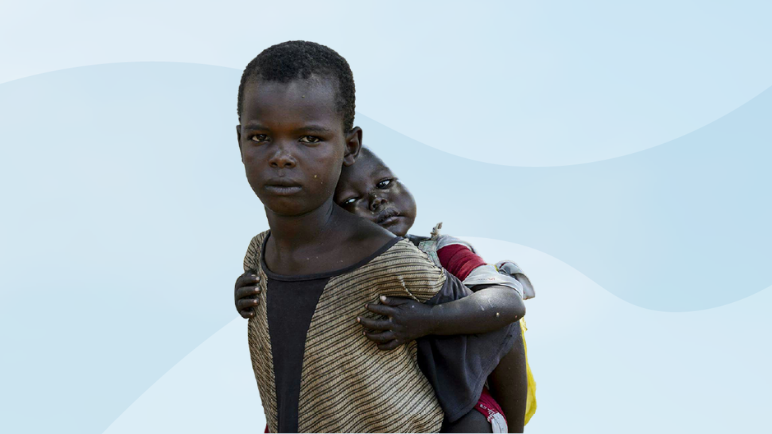
Sudan Emergency Response
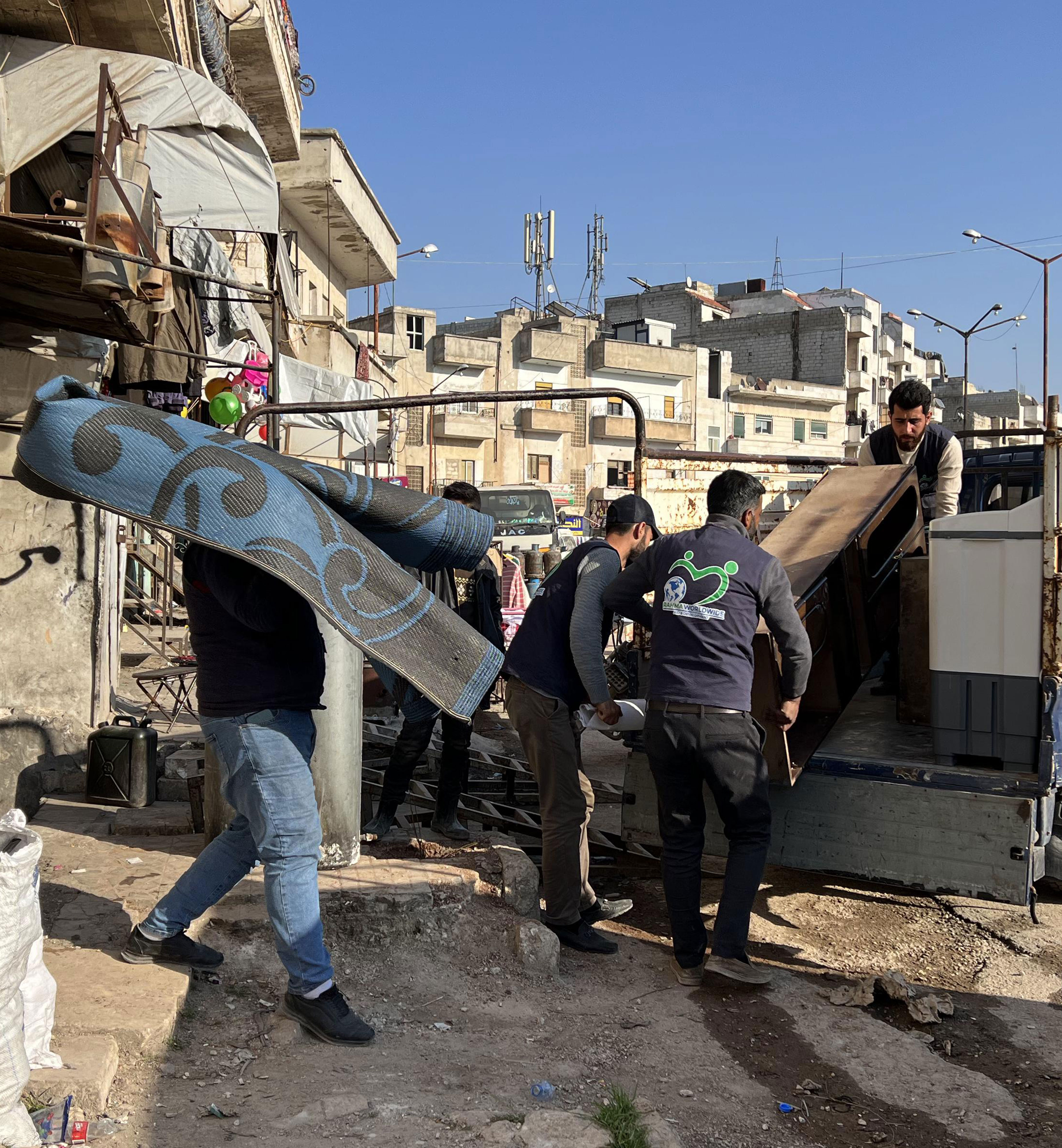
Earthquake Displaces
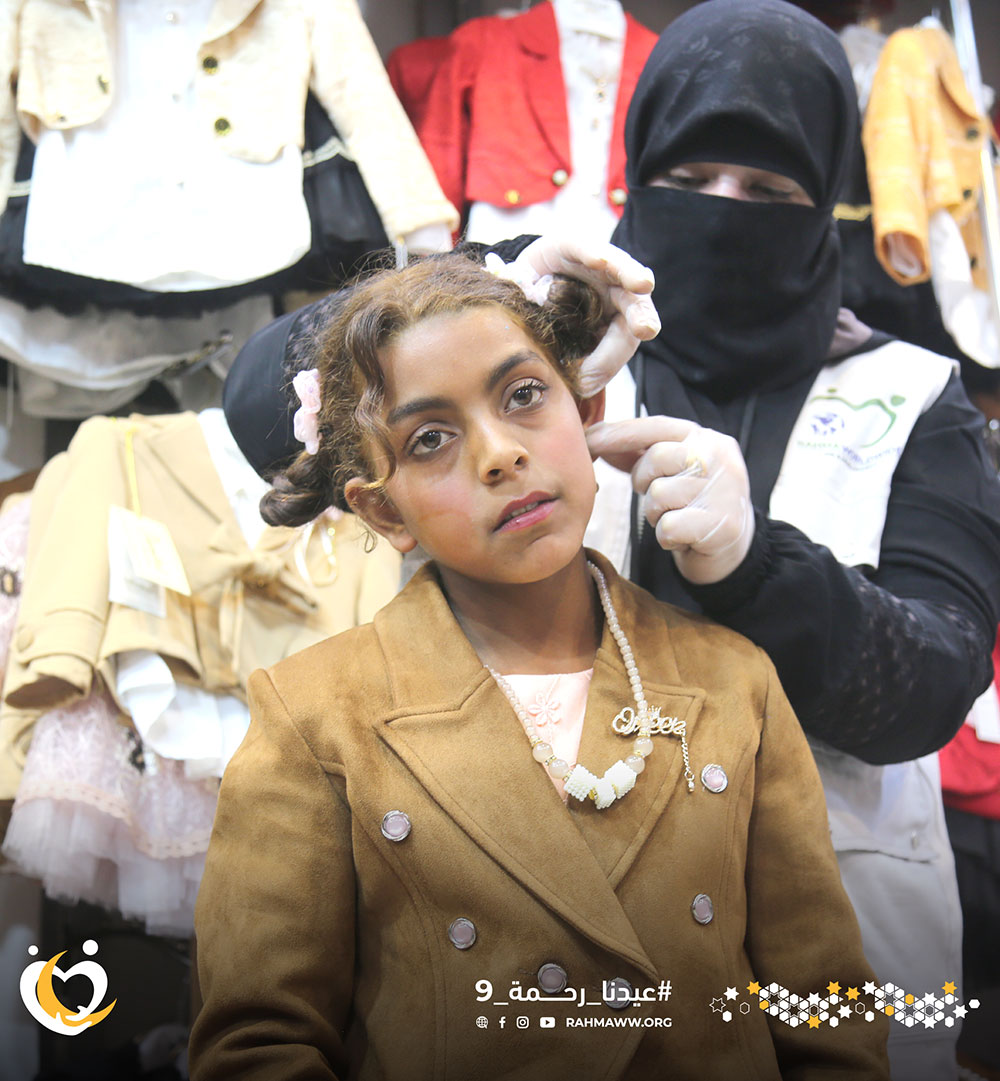
Fatima the Homeless Child
Where Most Needed
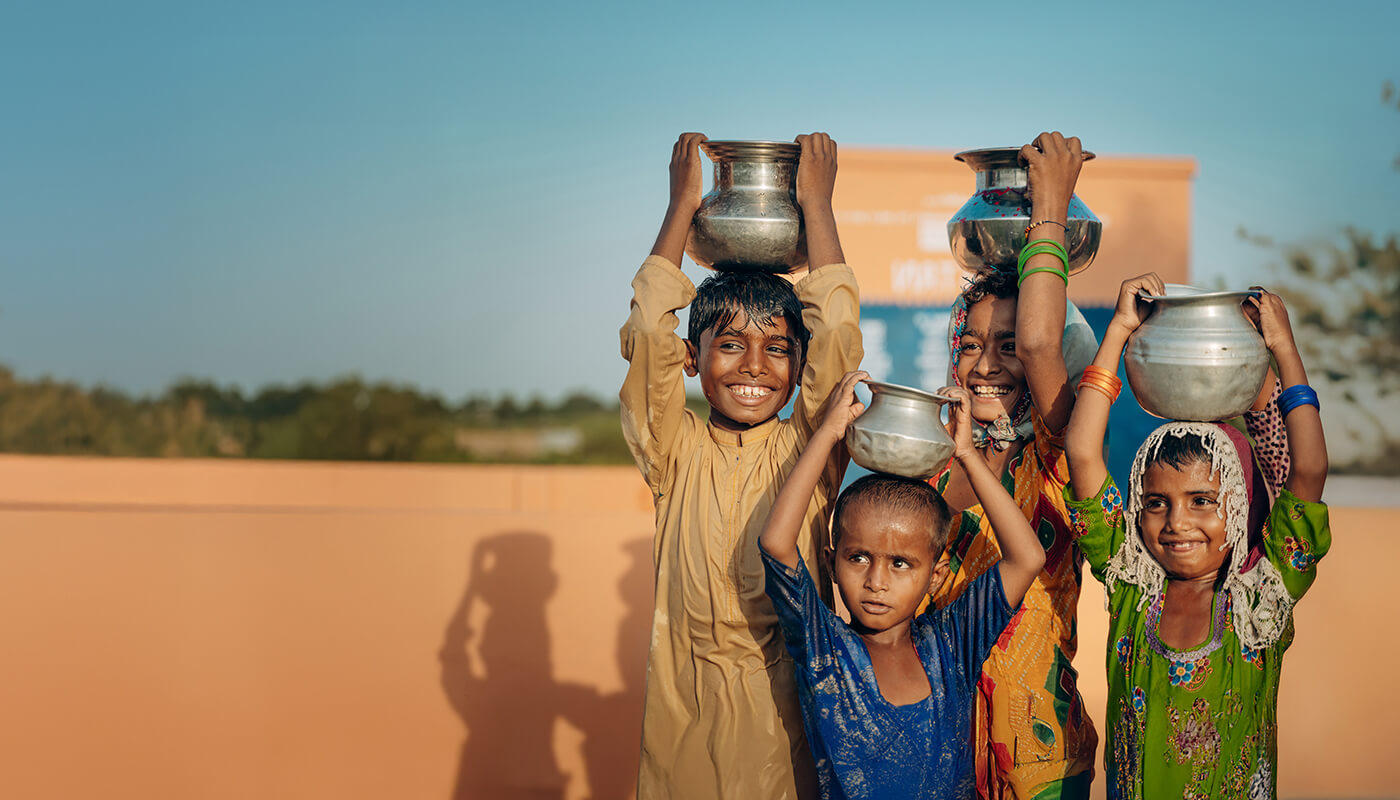
Water Fund
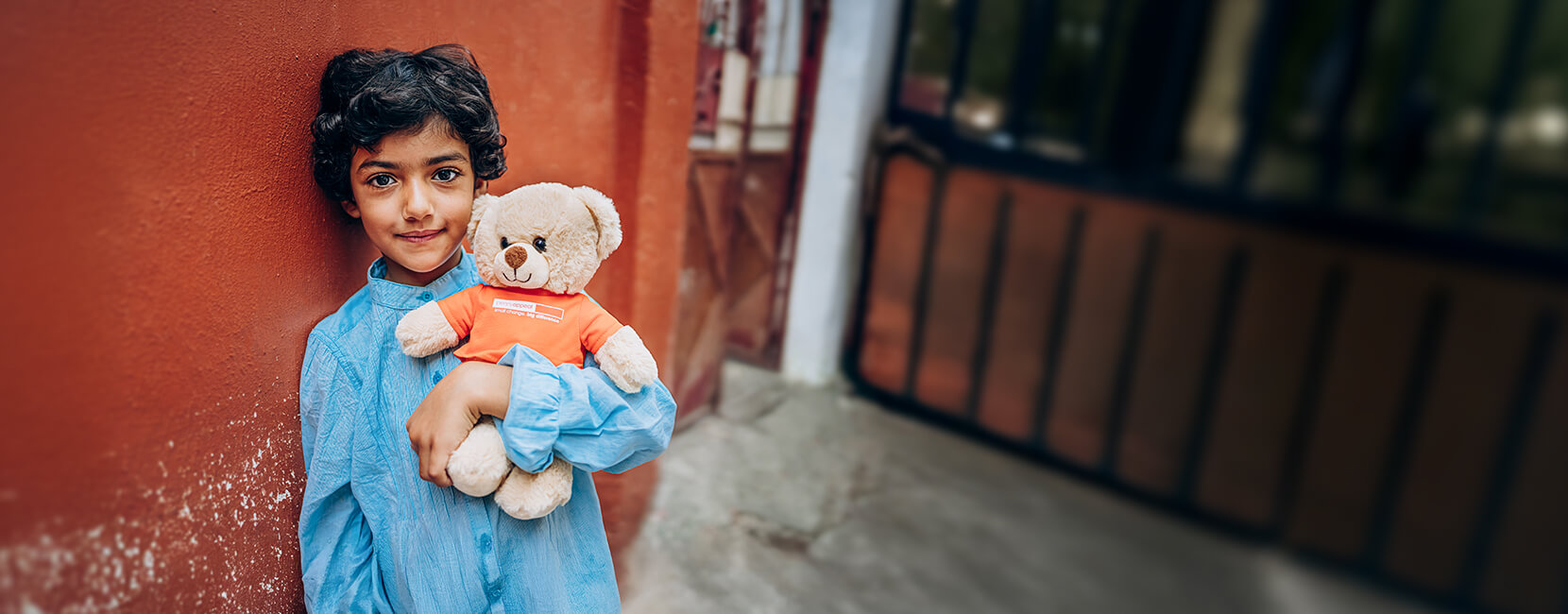
Orphan Fund
Palestine Emergency Fund
 Sponsor an Orphan
 100% Secure Donation
· SSL Encrypted · Trusted Worldwide
100% Secure Donation
· SSL Encrypted · Trusted WorldwideFrom Immediate Shelter to Lasting Stability
We bridge the gap between immediate crisis relief and long-term community restoration through a tiered approach to housing.
Emergency Shelter Kits
Providing families with tents, blankets, and essential.
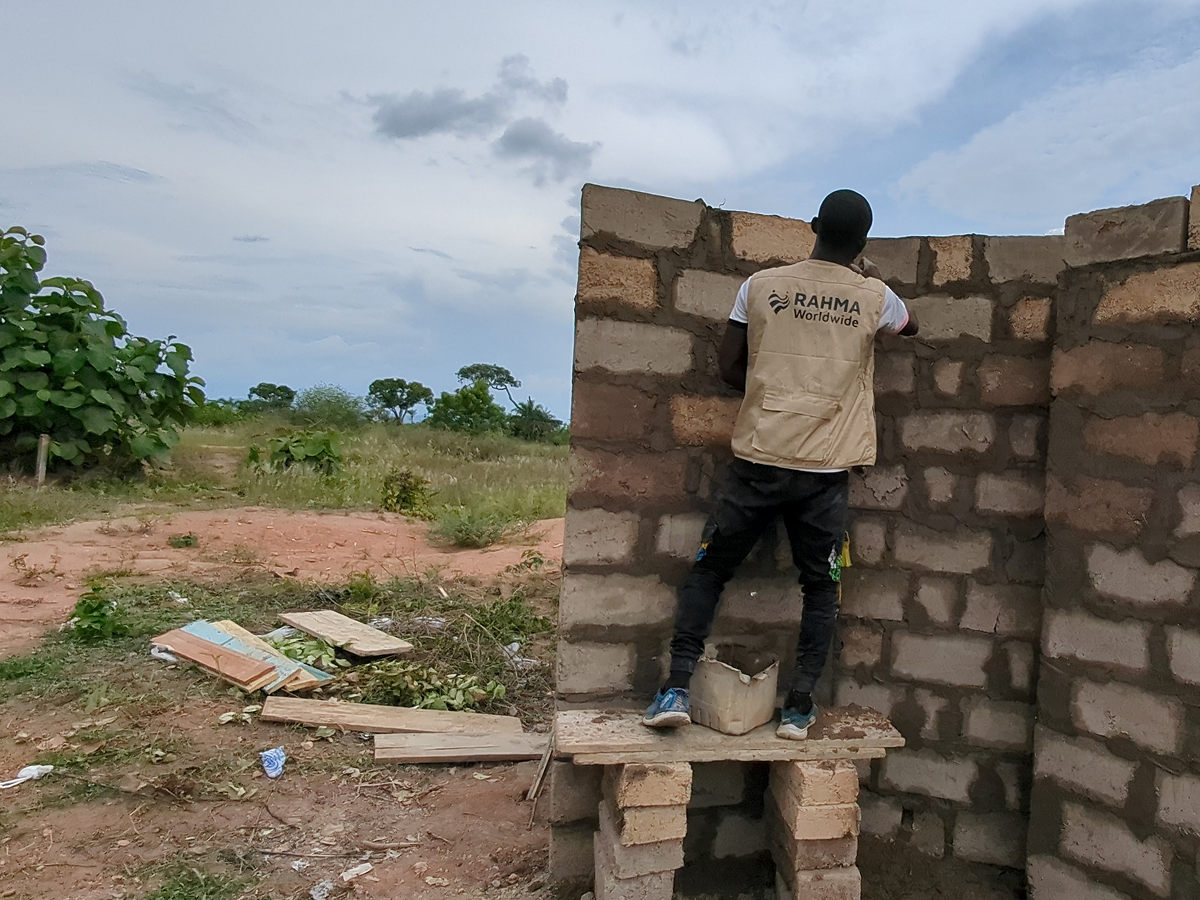
Transitional Shelters
Offering temporary housing solutions like prefab shelters while families await permanent housing.
Home Repairs & Reconstruction
Repairing and rebuilding homes to restore safe, livable spaces.
.png)
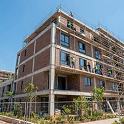
Permanent Housing Solutions
Constructing long-term housing projects for displaced populations to help them regain stability and a sense of permanence.
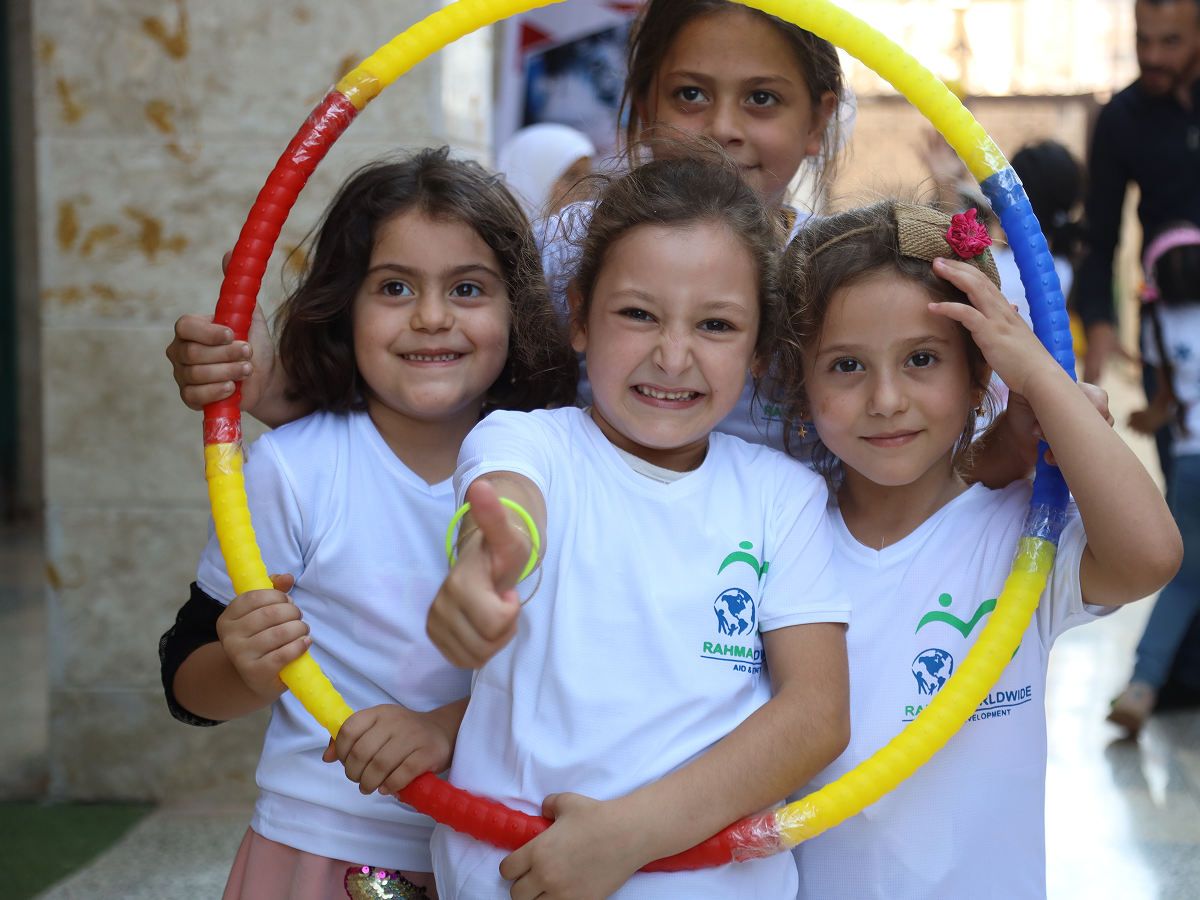
Community Shelters
Creating safe spaces for displaced people in refugee camps or affected areas.
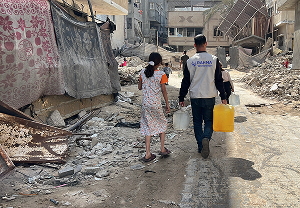
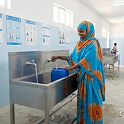
Wash Facilities
Installing water systems, latrines, and hygiene stations for safe living conditions.

How a Safe Home Takes
Shape
Every housing need is different. Rahma works to identify the right support for each family and community.
Identify
Mapping the most vulnerable families and areas in need of urgent housing support.
Assess
Engineering teams evaluate structural damage and necessary resources for restoration.
Build & Repair
Procuring materials and mobilizing local labor to execute the reconstruction plan.
Follow Progress
Ensuring quality control and supporting the family as they move back into their home.
See How Shelter Becomes a Safe Home
Explore how housing support helps families move toward safety, dignity, and greater stability.
.png)
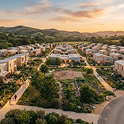
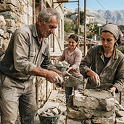
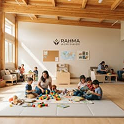
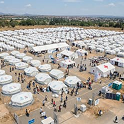
Building Homes with Care, Experience, and Trust
Rahma Worldwide combines humanitarian experience, trusted standards, and a broad network to support vulnerable communities responsibly.
Global Network
Certified Aid
11 Years Expertise
Highest Standards
. The concept of Waqf dates back to the time of the Prophet Muhammad (PBUH). An example of
this noble tradition is the story of Uthman ibn Affan (RA), who, when hearing the
Prophet (PBUH) offer a garden in Paradise for the one who would buy the well of Rumah,
purchased it to keep the water free for the community. Over time, the well provided not
just water but a sustainable source of income through the sale of dates, benefiting many
and earning continuous reward for Uthman (RA) even after his passing. Although Waqf is not explicitly mentioned in the Qur'an, charity is highly emphasized,
and Waqf can be seen as a form of Sadaqah Jariyah (continuous charity). The Prophet
Muhammad (PBUH) said:
While both Zakat and Waqf involve giving for the benefit of others, they differ in their
nature:
- Ongoing Blessings and Rewards:Waqf provides continuous rewards for
the donor, even after they pass away. Your generosity helps those in need while earning
you immense blessings in both this world and the hereafter.
Yes, Waqf is a form of Sadaqah Jariyah (continuous charity). The reward
for Sadaqah
Jariyah continues even after the donor’s passing, making it one of the most powerful
deeds in Islam. As the Prophet (PBUH) said:
Waqf holds immense importance in Islam due to its role in fostering community
development, sustainable solutions, and empowerment. Throughout Islamic history, Waqf
has been used to support educational, healthcare, and infrastructure projects, providing
lasting benefits to the community.
In order for a donation to be considered a Waqf, certain conditions must be followed:
Rahma Worldwide delivers Waqf donations through its projects that support vulnerable
communities worldwide. Donations to Waqf can be directed toward several sectors,
including:
Never – this type of capital investment is strictly Sharia compliant.
We operate in conflict zones and disaster-stricken areas around the world, including
Yemen, Syria, Gaza, and other vulnerable regions. Our mission is to restore stability
and dignity to families, regardless of their location.
We provide not just physical shelter but also a safe environment where families can
rebuild their lives. Through our efforts, families receive homes that are secure,
sustainable, and equipped to meet their basic needs.
Yes, donations to Rahma Worldwide are tax-deductible. Please consult with your tax
advisor to understand how your donation can benefit you during tax season.
We work closely with local experts and construction teams to ensure the quality of
homes. Additionally, our homes are built to be sustainable and energy-efficient,
designed to support families for years to come.
Yes, we provide regular updates on the status of our projects, including photos,
reports, and impact stories, so you can see firsthand the difference your donation is
making.
Families are selected based on their level of need, vulnerability, and displacement
status. We prioritize those who have been affected by conflict, natural disasters, or
who are living in unsafe or unsanitary conditions.
Questions About Rebuilding Safety and Stability
"When a person dies, all their deeds end except three: a continuing charity,
beneficial knowledge, and a child who prays for them."
[Hadith | Muslim]
Waqf investments must benefit the public, ensuring that the community continues
to benefit from the donor’s generosity long after their passing.
- Zakat is mandatory, being one of the Five Pillars of Islam, requiring Muslims to give
2.5% of their wealth annually to those in need.
- Waqf, on the other hand, is a voluntary act of charity in which a person
dedicates their wealth for the long-term benefit of the community. This charitable act
continues to provide rewards for the donor in this life and the hereafter.
- Sadaqah Jariyah: As a form of continuous charity, Waqf ensures that
the donor's good deeds continue to benefit others indefinitely.
- Benefit for Deceased Loved Ones:Waqf donations can be made in the
name of a loved one, allowing them to receive ongoing rewards.
- Community Empowerment:Waqf empowers communities by funding essential
projects such as schools, hospitals, orphanages, and more, bringing long-term positive
change.
- Sustainable Development:Waqf is an investment in the future, helping
to ensure that communities continue to thrive and receive the support they need.
"When a person dies, all their deeds end except three: a continuing charity,
beneficial knowledge, and a child who prays for them."
[Hadith | Muslim]
The Prophet Muhammad (PBUH) himself established the first Waqf, and Muslims continue to
uphold this noble tradition today, ensuring that their donations contribute to worthy
causes and provide continuous support to those in need.
Continuous Benefit: The donation must bring
ongoing benefits, ensuring it continues to benefit generations to come.
Non-Saleable: The Waqf cannot be sold, gifted, or
inherited. It belongs to Allah and is considered a common asset that cannot be owned by
anyone.
Permanent: The donor can never revoke or take
their share back, ensuring its permanence and long-term impact on the community.
Halal Sources: Waqf assets must come from halal
(permissible) sources only.
Clearly Defined: Waqf assets should be clearly
defined and documented to avoid disputes with the donor’s heirs.
1- General
2- Orphans
3- Learning Institutes
4- Mosque
You can donate any amount toward Sadaqah Jariyah or purchase a Waqf Share, which is a
fixed amount of $150. These funds are used to support various humanitarian projects
globally, ensuring your donation contributes to long-term change.
We ensure that your donation is invested in safe, Sharia-compliant investments, and the
returns are used to fund projects that support people in need around the world.